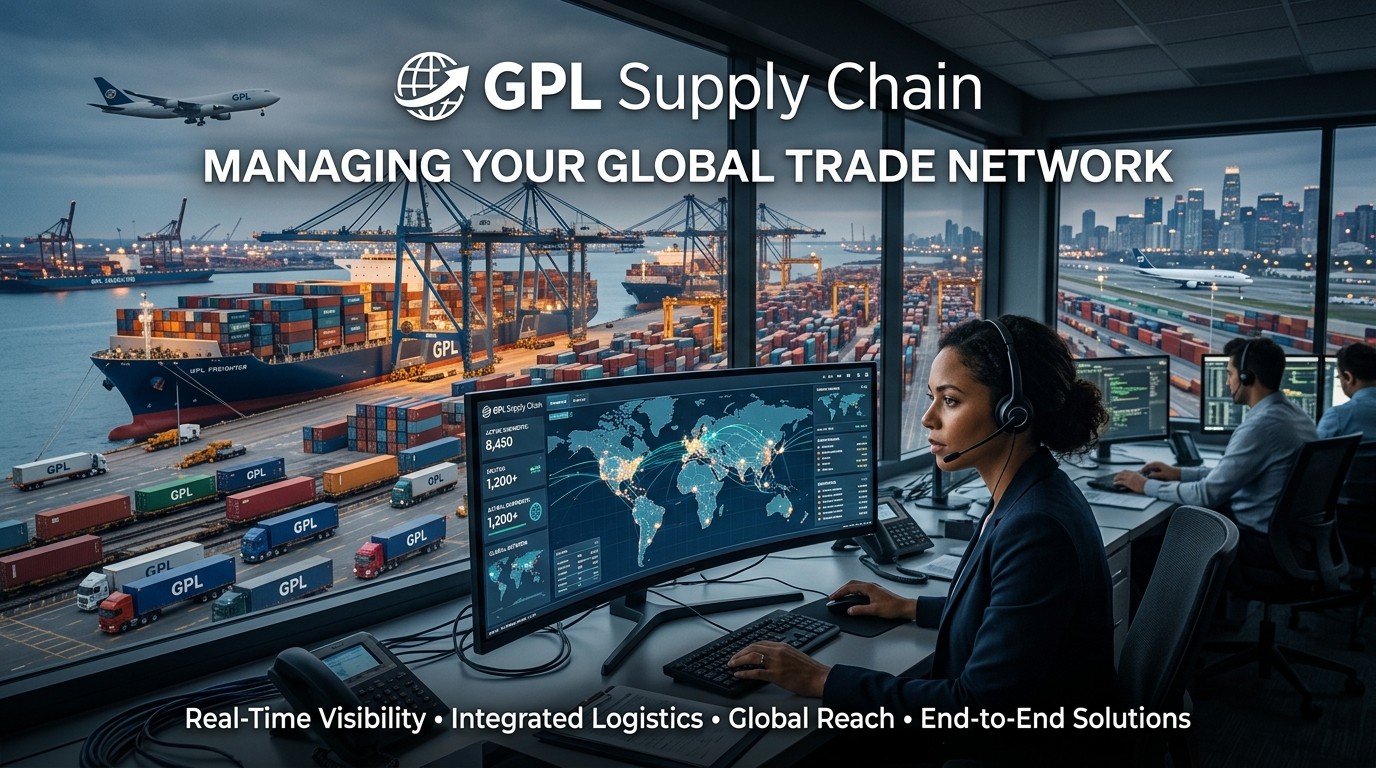
GPL Supply Chain helps businesses move goods across borders with less friction by aligning planning, compliance, visibility, and supplier coordination into one practical operating rhythm.
Managing trade across countries is never just about shipping boxes from one point to another. It is about building a dependable system that keeps products moving, paperwork aligned, costs controlled, and relationships stable even when demand shifts or regulations change. That is the core idea behind GPL Supply Chain, a framework for thinking clearly about international movement without losing sight of the operational details that determine whether a network performs well.
A company working through GPL Supply Chain decisions has to balance speed, trust, cost, and legal clarity at the same time. That balance matters because a delay at one stage often creates pressure at every other stage. A late customs document can stall a warehouse release. A weak supplier contract can create quality problems. A poor routing choice can raise freight costs for months. GPL Supply Chain is therefore less about a single department and more about how the entire trade network works together.
The best way to manage a global network is to treat each moving part as connected. Procurement, transport, storage, compliance, forecasting, and customer service all shape one another. When that system is coordinated, the result is smoother performance and fewer surprises. That is why GPL Supply Chain should be understood as both a strategic idea and a practical operating model.
Why global trade networks need a structured approach
International trade becomes difficult when teams work in silos. Purchasing may focus on unit price, operations may focus on delivery speed, finance may focus on cash flow, and compliance may focus on documentation. Those priorities are all valid, but they can conflict if there is no shared framework. GPL Supply Chain brings those priorities into one conversation so the business can make better decisions with less friction.
The first reason structure matters is predictability. A global network has too many variables to rely on instinct alone. Transit delays, port congestion, supplier lead times, tariff changes, and local holidays can all shift outcomes. GPL Supply Chain helps managers build planning habits that account for these variables before they turn into losses.
The second reason is resilience. When the network is designed with backup routes, secondary suppliers, clear documentation, and risk thresholds, the business can recover faster from disruption. GPL Supply Chain is especially useful in this area because it encourages decision makers to think beyond the cheapest or fastest option and instead choose the most reliable one for the situation.
The third reason is customer confidence. Buyers rarely see the operational complexity behind a shipment, but they feel the results. On-time delivery, stable stock levels, accurate invoices, and consistent quality build trust. GPL Supply Chain supports those outcomes by making the internal process more disciplined and visible.
The role of strategy before operations begin

Before a company books transport or signs a supplier agreement, it needs a strategy. Without strategy, operations become a series of isolated reactions. GPL Supply Chain works best when leadership decides what the network is supposed to achieve. Is the priority lowest landed cost, fastest delivery, market expansion, or service stability? The answer shapes everything that follows.
A strong strategy starts with trade lane selection. Not every origin-destination route is equally attractive. Some routes are cheaper but less reliable. Others are faster but exposed to more compliance risk. GPL Supply Chain helps teams compare those trade lanes against service expectations, inventory needs, and margin goals.
Strategy also defines what the company will not do. A business might refuse certain supplier locations, avoid fragile transport modes, or maintain minimum stock buffers for critical products. Those decisions reduce uncertainty. GPL Supply Chain is not about removing all risk; it is about choosing which risks the company can absorb and which ones it should avoid.
This is where GPL Corporate Strategy becomes important. The supply chain cannot function properly if it is disconnected from broader business goals. If the company wants to enter new regions, the network should support that move. If the brand wants premium service, the logistics design should reflect that promise. GPL Supply Chain becomes much more effective when it is tied to the company’s larger direction.
Building visibility across the network
A global network is easy to misunderstand when teams cannot see what is happening in real time. Visibility is not just a dashboard feature; it is the ability to know where goods are, what documents are pending, which supplier has delayed production, and where the next bottleneck may appear. GPL Supply Chain improves when leaders invest in that visibility early.
The most useful visibility covers the shipment lifecycle end to end. That includes supplier confirmation, production status, packing, export release, transit milestones, arrival, customs clearance, warehouse receipt, and final delivery. When these stages are mapped clearly, managers can solve problems before they become expensive. GPL Supply Chain relies on that level of clarity because surprises cost time and money.
Visibility also helps teams communicate better. Instead of asking, “Where is the order?” they can ask, “What stage is blocking it?” That question is far more actionable. GPL Supply Chain turns vague concern into specific operational action. That shift may sound small, but it changes how quickly teams can respond.
A company should also choose the right metrics. Late shipments, customs exceptions, inventory shortages, damaged goods, and forecasting errors all reveal different weaknesses. GPL Supply Chain performs best when the metrics are tied to root causes rather than vanity numbers. A metric that does not support a decision is just noise.
Supplier coordination and the human side of trade
Global trade is often described with charts and flows, but the real engine is human coordination. Buyers need suppliers who respond quickly. Logistics teams need carriers who communicate clearly. Finance teams need accurate invoices. Compliance teams need timely paperwork. GPL Supply Chain depends on trust between these groups.
Supplier relationships improve when expectations are explicit. Lead times, quality standards, packaging requirements, and escalation paths should be documented clearly. When the business does this well, it reduces confusion and protects delivery performance. GPL Supply Chain becomes more stable because everyone understands what “good” looks like before a shipment starts moving.
It is also useful to think about the supplier experience. A partner that feels ignored or pressured may be less responsive when the business needs help. Respect, consistency, and transparency create better cooperation. GPL Supply Chain works better when supplier communication is structured but still human.
In many networks, the strongest gains come from simple habits: regular review meetings, shared forecasts, updated contact lists, and clear problem logs. These may not sound glamorous, but they are the habits that keep operations smooth. GPL Supply Chain is built on those habits more than on dramatic fixes.
Compliance, documentation, and legal readiness
International movement is governed by rules that can change by region, product type, and transport mode. A business that ignores those rules can face delays, penalties, and reputational damage. GPL Supply Chain therefore needs a compliance-first mindset, especially when shipments move through multiple jurisdictions.
Good documentation starts with accuracy. Commercial invoices, packing lists, certificates of origin, import permits, and product classifications all matter. If a document is inconsistent, customs authorities may hold the shipment. GPL Supply Chain works best when document quality is treated as a core operational task rather than an afterthought.
That is also why the GPL Legal Framework matters. Even the most efficient network can fail if it does not respect laws, contract terms, and regulatory obligations. Managers should understand where liability sits, who owns the shipment at each stage, and what happens if a delay or dispute occurs. GPL Supply Chain is safer when legal review happens before problems, not after them.
A practical legal process should also include contract templates, insurance requirements, dispute clauses, and escalation rules. Those elements may appear administrative, but they protect the business when conditions change. GPL Supply Chain gains resilience when legal structure supports operational speed instead of blocking it.
Inventory planning and demand alignment
A global network cannot be run successfully without a clear inventory philosophy. Too much stock creates waste and cash pressure. Too little stock creates shortages and missed sales. GPL Supply Chain helps businesses find the point where inventory supports the customer without locking up too much capital.
Forecasting is the starting point. Historical demand, seasonal patterns, promotional plans, and market changes all influence how much inventory should move. If the forecast is weak, the network becomes unstable. GPL Supply Chain reduces that instability by tying replenishment decisions to data rather than guesswork.
It is also important to separate critical products from ordinary ones. High-value or fast-moving items often deserve closer monitoring and quicker replenishment. Slow-moving items may need lower safety stock or different routing. GPL Supply Chain performs better when managers classify inventory by business importance rather than treating everything the same.
Cross-border movement makes this more complex because lead times can stretch unexpectedly. Customs, port congestion, and weather can all delay replenishment. That is why buffer planning matters. GPL Supply Chain is strongest when the business has enough flexibility to absorb delay without creating excess stock everywhere.
Transport choices and route design
Every route is a trade-off. Air freight is fast but costly. Ocean freight is economical but slower. Road and rail each have their own constraints. GPL Supply Chain works best when transport mode is chosen based on product value, urgency, risk, and customer promise.
Route design should also consider reliability, not just speed. A cheaper lane that fails often may end up more expensive than a steadier route. GPL Supply Chain encourages a total-cost view, which includes delay risk, storage fees, claims, and the cost of disappointing customers. That broader view often changes the “best” route.
The network should also be flexible enough to reroute when conditions change. Port disruptions, strikes, fuel spikes, and weather events can affect the best-laid plans. A resilient GPL Supply Chain design includes alternative carriers, backup routes, and pre-approved escalation steps so that decisions can happen quickly.
Mode selection is not a one-time choice. As volumes change, customer expectations shift, and products evolve, the transport strategy should be reviewed. GPL Supply Chain is a living system, not a static one, and transport decisions need the same ongoing attention as sourcing or compliance.
Technology and the data layer
A modern supply chain cannot be managed well without reliable data systems. Order platforms, warehouse systems, transport tracking, analytics, and supplier portals all help the business see what is happening. GPL Supply Chain benefits when these tools are connected rather than isolated.
The point of technology is not to replace judgment. It is to improve decision quality. Dashboards can show delays, bottlenecks, fill rates, and shipment exceptions, but humans still need to interpret those signals. GPL Supply Chain becomes much more useful when leaders know which signals matter and which ones are distractions.
Data quality is a hidden challenge. If product codes are inconsistent, location names are wrong, or status updates lag behind real events, the system becomes less trustworthy. GPL Supply Chain depends on accurate master data because bad data leads to bad action. A beautiful dashboard built on poor data still gives poor decisions.
Technology should also improve collaboration. Shared visibility, automated alerts, and workflow tracking make it easier for teams to respond together. GPL Supply Chain is strongest when technology connects people instead of creating more digital silos.
The customer experience behind the network
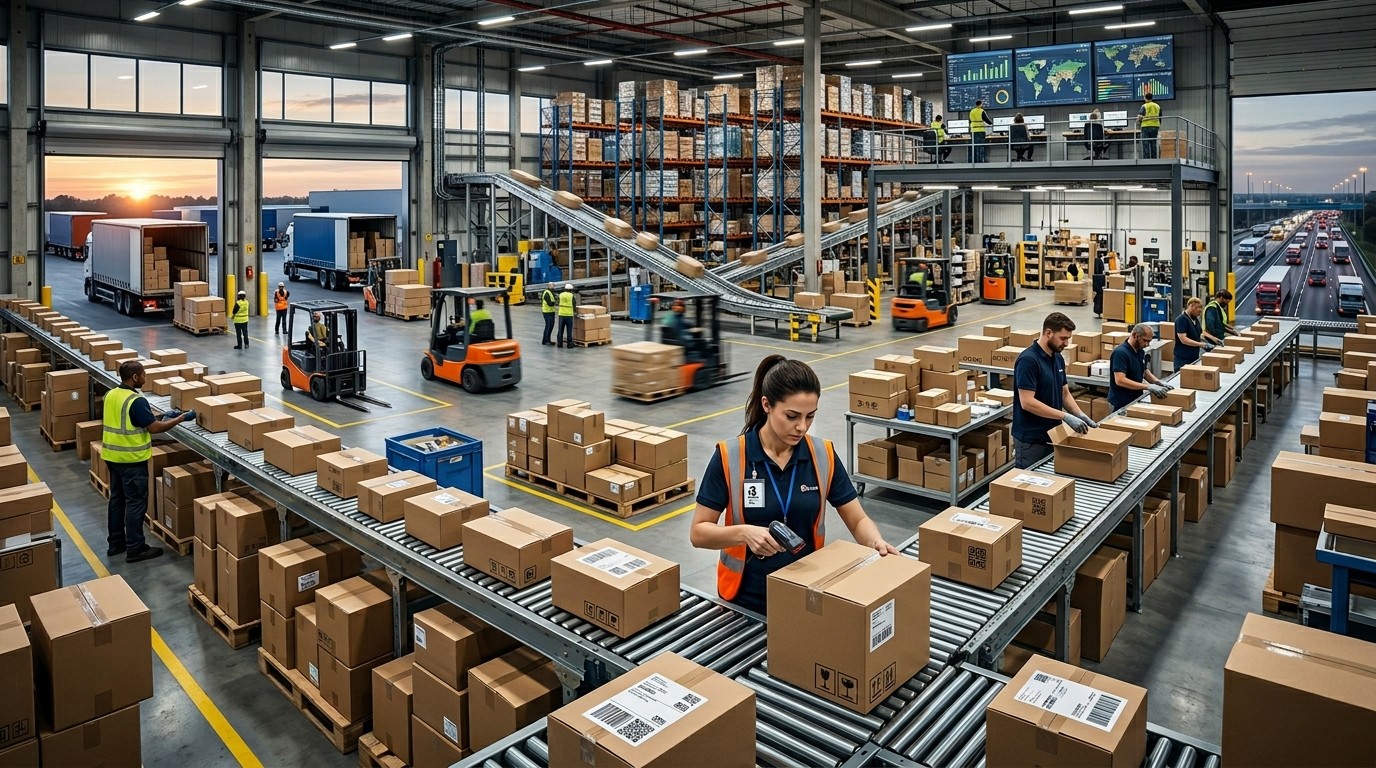
Customers may never see the complexity of a global network, but they feel its performance every day. A late shipment, a missing item, a damaged parcel, or a poor communication experience can reduce trust quickly. GPL Supply Chain matters because it influences how dependable the business feels from the outside.
The customer experience begins long before delivery. It starts with stock availability, accurate promises, and realistic lead times. If the company overpromises, the network becomes the victim of its own marketing. GPL Supply Chain should therefore support honest customer commitments that operations can actually meet.
Packaging also plays a role. Good packaging reduces damage, improves handling, and lowers return costs. A network that protects goods properly creates better customer outcomes with fewer service issues. GPL Supply Chain should be designed so that quality survives the journey, not just the warehouse.
Communication matters too. If a delay happens, customers prefer clarity over silence. Status updates, revised timelines, and proactive support make a big difference. GPL Supply Chain should enable that communication by giving teams the information they need to respond quickly and accurately.
Managing risk without freezing the business
Risk management in trade is not about eliminating all uncertainty. That is impossible. It is about knowing which risks matter most and building systems that reduce their impact. GPL Supply Chain benefits when risk management is specific instead of vague.
The main categories of risk usually include supplier failure, transport disruption, compliance errors, geopolitical changes, currency swings, and quality defects. Each one needs a different response. GPL Supply Chain becomes more durable when the company matches each risk with a practical control, such as dual sourcing, buffer stock, insurance, contract review, or route diversification.
A common mistake is to treat every risk as equally urgent. That leads to wasted effort. Instead, managers should ask which risks are most likely and most damaging. GPL Supply Chain is far more effective when attention is focused on the issues that can actually break service or margin.
Risk reviews should happen regularly, not only after an incident. A network that waits for disaster is already behind. GPL Supply Chain performs better when the business reviews exposure, updates assumptions, and tests backup plans before they are needed.
How branding and trust support operational strength
A strong trade network is not only built on transport and compliance. It is also shaped by trust signals. When partners and clients can see that the company is credible, responsive, and organized, they are more willing to cooperate. GPL Supply Chain benefits from that confidence because trust reduces friction in negotiations and daily operations.
This is where digital presentation can support the wider business. A supplier site, customer portal, or internal platform that clearly communicates value helps people understand the network faster. Features such as a Product Review Plugin can show feedback in a structured way, while a Testimonial Slider Plugin can present partner confidence without overwhelming the page. Those are small tools, but they can support the reputation around GPL Supply Chain by making the business look organized and reliable.
That does not replace operational excellence. It simply reinforces it. If the network is truly well run, communication tools should reflect that quality. GPL Supply Chain and brand trust work best when the visible experience and the back-end performance are aligned.
Cost control and margin protection
Every shipment carries costs, but not every cost is obvious. Freight, storage, customs, insurance, handling, returns, delays, and rework all affect margin. GPL Supply Chain helps managers see the total cost rather than focusing only on the invoice from a carrier or supplier.
The cheapest option is not always the best. A slow route may create stockouts. A low-cost supplier may create quality issues. A poorly packed shipment may raise damage claims. GPL Supply Chain is useful because it forces the business to compare visible savings against hidden losses.
Cost control also depends on process discipline. If orders are rushed, documents are incomplete, and exceptions are handled manually every time, the network becomes expensive to run. GPL Supply Chain gains efficiency when the repeatable parts are standardized and the exceptions are handled with a clear escalation path.
Finance and operations should review cost trends together. When both teams see the same data, they can identify the real source of margin pressure. GPL Supply Chain works best when cost control is not treated as a finance-only topic.
Performance metrics that actually matter
The most useful metrics are the ones that lead to action. On-time delivery, order accuracy, customs release time, inventory turns, damage rate, and forecast error are often more useful than vanity numbers. GPL Supply Chain should be measured by outcomes that reveal whether the network is healthy.
It is also important to connect metrics to ownership. If a shipment is late, who can fix the issue? If documentation fails, who updates the process? GPL Supply Chain improves when each metric has a responsible team and a next step. Metrics without accountability usually get ignored.
A good dashboard should show both current status and trends over time. A single week of poor performance may not mean much, but a long pattern does. GPL Supply Chain becomes smarter when managers can compare current results to previous periods and identify where the network is weakening.
The best dashboards are simple enough to use daily and detailed enough to support quarterly review. GPL Supply Chain should never feel like a reporting burden. It should feel like a tool that helps teams decide faster.
Training the people behind the process
Even the best system fails if people do not understand it. Training should cover operational steps, compliance rules, escalation paths, and communication habits. GPL Supply Chain becomes much stronger when staff know not only what to do, but why it matters.
Training should be role-specific. A warehouse coordinator needs different skills than a customs specialist. A purchasing manager needs different context than a finance analyst. GPL Supply Chain works best when each team learns the parts of the network that affect its own decisions.
New staff should receive practical examples, not only policy documents. Real cases show how small mistakes can create delays or losses. GPL Supply Chain grows more resilient when the workforce understands the consequences of poor coordination and the value of disciplined execution.
Ongoing refreshers matter too. Rules change, products change, and routes change. If the team is not updated, old habits continue. GPL Supply Chain is a living process, so training should be ongoing rather than one-time.
Building stronger supplier relationships
A healthy supplier base is one of the most valuable assets in global trade. Suppliers who feel respected and informed tend to respond faster during disruption. GPL Supply Chain benefits when relationships are built on transparency instead of short-term pressure.
A useful approach is to treat suppliers as partners in performance. Share forecasts where appropriate, set realistic expectations, and review problems without blame. GPL Supply Chain becomes more stable when supplier discussions focus on the process and the outcome instead of only the price.
Long-term suppliers often have a deeper understanding of local constraints, which can be extremely useful. They may know where delays happen, which documents are sensitive, or how to solve a recurring issue. GPL Supply Chain should take advantage of that local knowledge.
Performance reviews should also be balanced. Reward good results, but address problems clearly. GPL Supply Chain is healthiest when suppliers know the standards are serious and the relationship is fair.
Adapting to change in global markets
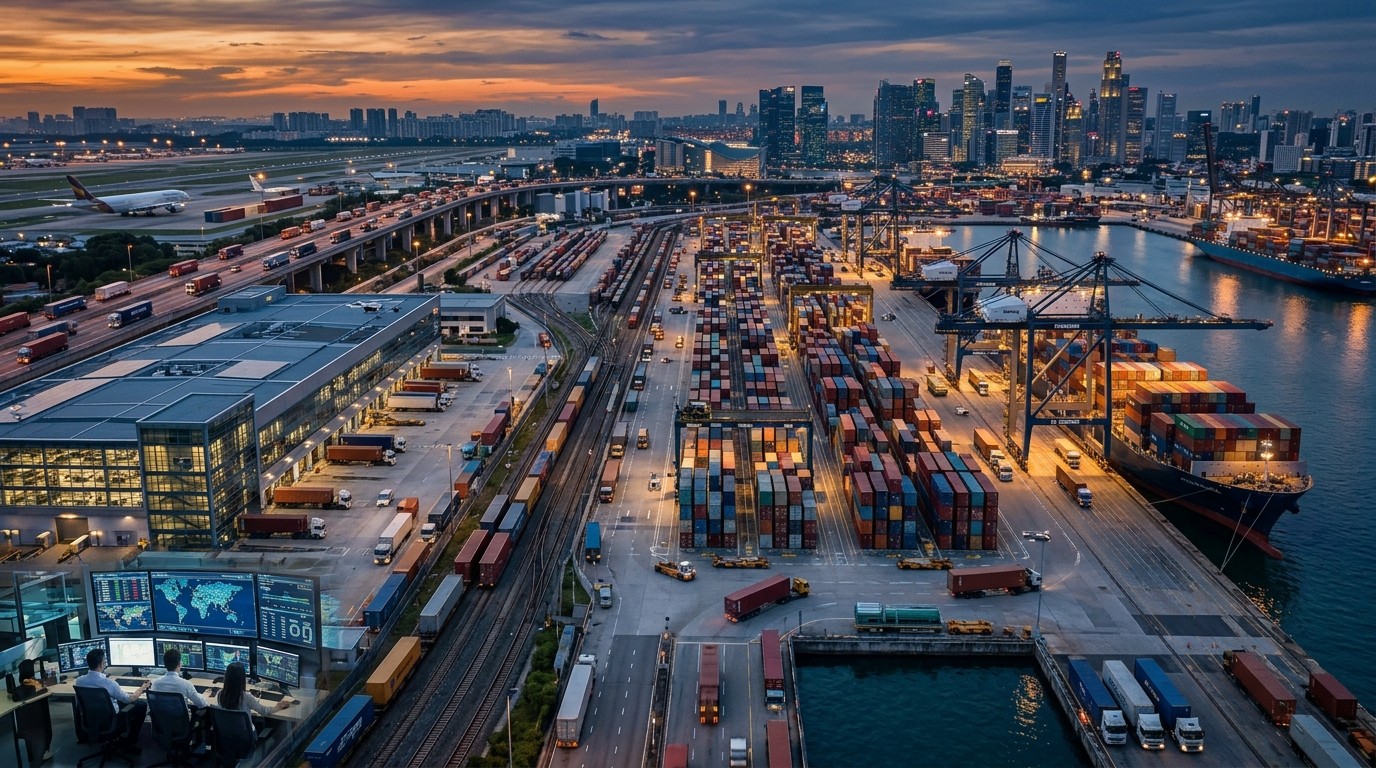
Trade conditions do not stay still. Customer expectations shift, fuel prices move, geopolitical tensions rise, and regulations evolve. GPL Supply Chain is only useful if it can adapt to those changes without chaos.
Adaptation starts with scenario planning. What happens if one lane closes? What if a supplier misses a deadline? What if demand spikes in one region? GPL Supply Chain becomes more robust when teams test these situations before they happen.
It also helps to keep decision rights clear. In a disruption, people need to know who can approve alternative transport, who can contact suppliers, and who can communicate with customers. GPL Supply Chain works best when authority is known in advance and not debated during a crisis.
The businesses that adapt well are usually the ones that already track weak signals. Small delays, repeated exceptions, and supplier hesitation can all foreshadow bigger problems. GPL Supply Chain should be reviewed often enough to catch those signs early.
Common supply-chain concerns and practical responses
| Concern | Possible impact | Practical response |
|---|---|---|
| Supplier delay | Missed production or stockout | Backup source and buffer stock |
| Customs hold | Delivery delay and added cost | Better documents and classification review |
| Route disruption | Late arrival and higher freight | Alternate lanes and carrier options |
| Quality defect | Returns and customer complaints | Incoming checks and supplier audits |
| Poor visibility | Slow decision-making | Shared tracking and alerts |
Why consistency matters more than heroics
Many teams try to solve supply-chain problems with last-minute urgency. That can work occasionally, but it is not a system. GPL Supply Chain becomes stronger when the business uses consistent routines instead of depending on emergencies to reveal what is wrong.
Consistency means that data is updated regularly, meetings happen on schedule, issues are logged properly, and escalations follow the same path every time. GPL Supply Chain benefits from those habits because they reduce variation and make performance easier to improve.
It also means that leadership stays involved. If top management only pays attention when something goes wrong, the network never gets fully aligned. GPL Supply Chain works best when leaders review the system before the crisis, not just during it.
A consistent process may look less dramatic than a rescue effort, but it usually produces better results. Over time, the business spends less energy fighting the same problems and more energy improving the network.
Conclusion
Managing a global trade network requires more than moving goods; it requires alignment across strategy, law, operations, supplier relationships, and customer expectations. GPL Supply Chain provides a way to think about that entire system as one coordinated structure instead of a collection of disconnected tasks. When companies connect planning with visibility, compliance, and transport discipline, they reduce costly surprises and create a more reliable customer experience. GPL Supply Chain also becomes stronger when leadership treats risk, cost, and communication as shared responsibilities rather than isolated functions. A business that builds this kind of network is not just shipping products. It is creating repeatable trust across borders, which is the real foundation of long-term trade success.
Frequently Asked Questions (FAQ)
1. What is GPL Supply Chain in practical terms?
GPL Supply Chain is a way of managing international movement, documentation, suppliers, transport, and customer delivery as one connected system.
2. Why does GPL Supply Chain matter for global trade?
It matters because global trade has many moving parts, and a structured approach reduces delays, confusion, and unnecessary cost.
3. How does GPL Corporate Strategy connect to operations?
It connects by making sure supply-chain decisions support the company’s larger goals for growth, service, and market expansion.
4. What role does GPL Legal Framework play?
It defines the rules, contracts, and compliance responsibilities that keep shipments moving without legal or regulatory problems.
5. Why mention Product Review Plugin in a supply-chain article?
It can support credibility on vendor or partner pages by presenting feedback in a structured, trustworthy way.
6. How can a rotating testimonial widget help?
It can display partner or customer testimonials clearly, which can strengthen trust around the business behind the network.
7. What is the biggest risk in global trade operations?
The biggest risk is usually poor coordination, because it can trigger delays, errors, and cost overruns across the entire network.
8. How can a company improve visibility?
By connecting shipment tracking, warehouse data, supplier updates, and alerts into one shared operating view.
9. What makes a supply chain resilient?
A resilient network has backup suppliers, alternate routes, accurate documents, and clear escalation rules.
10. How often should this system be reviewed?
It should be reviewed regularly, because trade conditions, demand patterns, and compliance rules change over time.